May 22, 2026
Gardening is often portrayed as a serene hobby where one simply places a seed in the dirt and watches it flourish. However, anyone who's wrestling with unpredictable frost or stubborn clay soil knows the reality is far more complex. It is a science as much as an art, requiring an understanding of biology and meteorology. For this reason, the modern gardener rarely acts in isolation. They seek a partnership with a source of knowledge rooted in the community. This is where the enduring appeal of the neighborhood nursery becomes apparent, serving as a lighthouse for those navigating the choppy waters of horticulture.
The Value of Regional Expertise
The primary reason for unwavering loyalty is the hyper-local expertise staff members bring. When you walk into one of these shops, you aren't talking to a generalist reading a corporate manual; you are speaking with someone who likely gardens in the same county. They understand local microclimates and know exactly when the last frost hits. This localized intelligence ensures advice is actionable, saving the gardener from the heartbreak of planting too early or choosing the wrong species.
These experts are often the first to identify regional pest outbreaks currently making the rounds. If a specific fungus is affecting neighborhood tomatoes, the staff at local garden centers will likely have diagnosed it and stocked the appropriate organic remedies. This proactive approach to plant health is something big-box retailers cannot replicate. The advice is tailored to the current weather and biological landscape, providing precision that turns struggling dirt into a thriving oasis.
Beyond immediate troubleshooting, these professionals help gardeners plan for the long term. They can advise on which native species support pollinators and which trees provide the best patio shade over the next decade. By focusing on plants naturally adapted to the local environment, they help customers reduce water consumption and minimize chemical fertilizers. This ecological sensitivity fosters a deeper connection between the gardener and their land.
This expertise translates into a higher success rate for home projects. According to Better Homes and Gardens, basic landscaping can yield an ROI of up to 200%. By consulting with experts at local garden centers, homeowners ensure their investment is protected by sound horticultural practices. They are investing in the long-term value of their property, backed by the assurance that the advice received is grounded in local reality.
The Quality of Curated Inventory
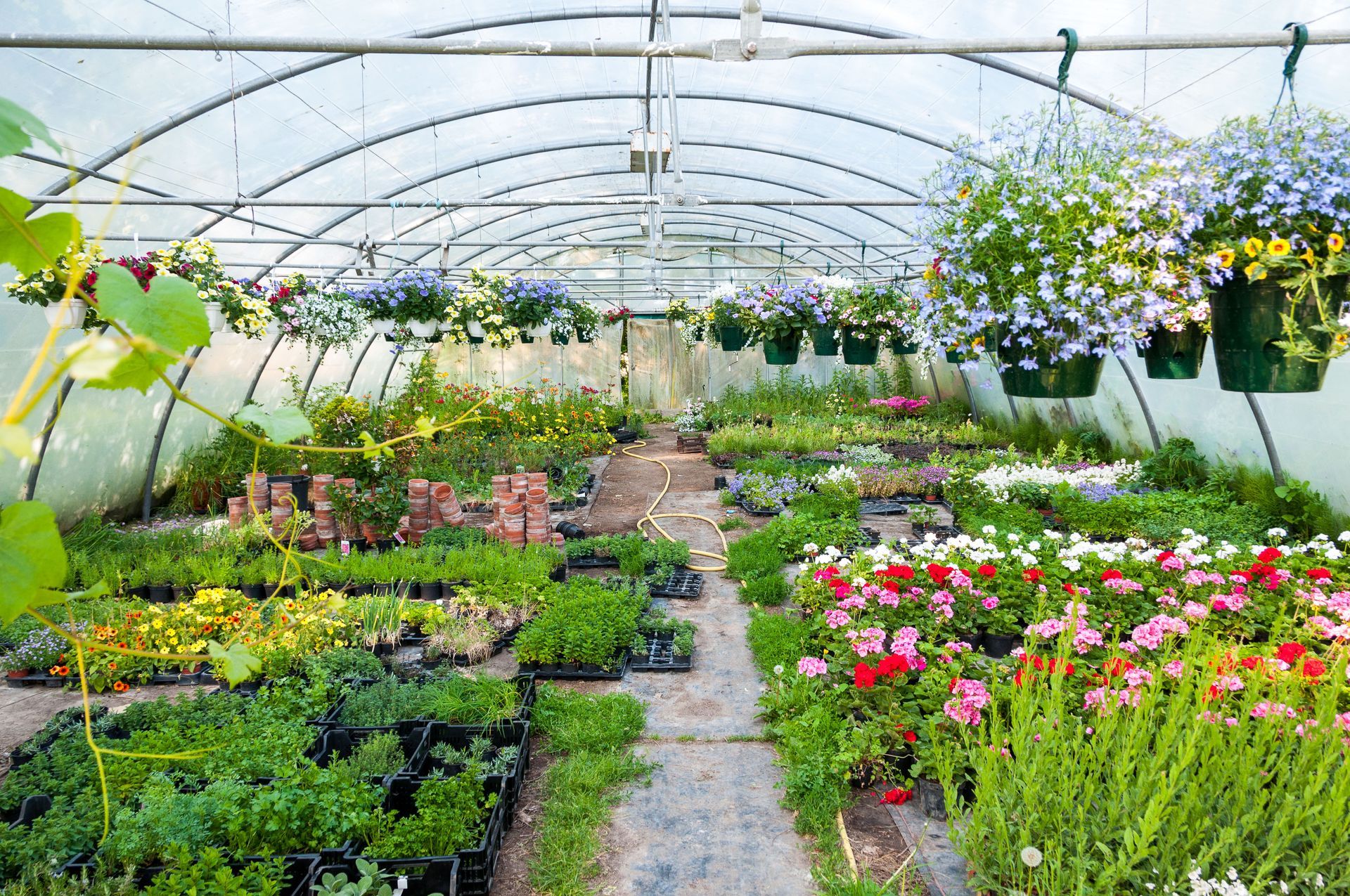
Reliability is also built through the visible quality of stock available at community-focused nurseries. Unlike massive retailers that ship plants from centralized greenhouses miles away, independent shops source from local growers or propagate their own stock. This means plants have already spent their lives acclimating to the local air and water. When a gardener buys from these locations, the plant experiences less "transplant shock," ensuring a higher survival rate.
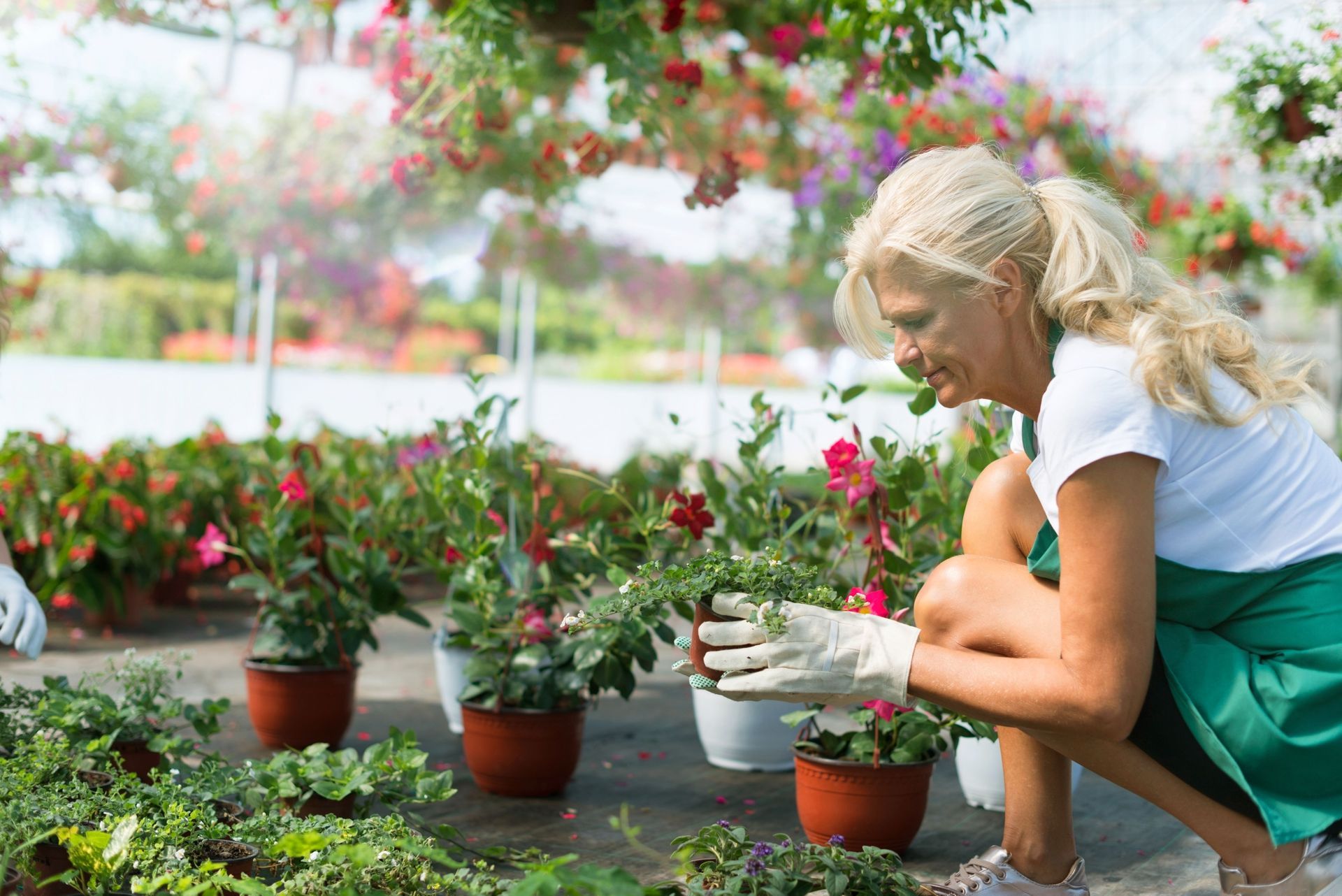
The level of care provided to the inventory on the shelf is noticeably superior. In local garden centers, you will often see staff hand-watering and monitoring for pests daily. This meticulous attention ensures the customer takes home a healthy, vigorous specimen. In contrast, garden sections of general retailers often suffer from neglect, leading to frustration. The dependability here is physical; the gardener sees the health of the plant.
Selection is another area where these specialized hubs shine, stocking varieties known to perform well locally. While a national chain might stock a one-size-fits-all rose that struggles in local heat, the independent nursery carries a specific cultivar that is heat-tolerant for that zone. This curation removes the guesswork for the consumer. You don't have to wonder if a plant will survive because experts have already decided it is worthy.
Finally, these centers often serve as a gateway to rare and heirloom varieties that aren't profitable for mass-market distribution. For the enthusiast looking for a rare native wildflower, local garden centers are the only reliable source. This commitment to biodiversity reinforces the idea that the shop is a destination for quality. Gardeners know they will find something unique, and that staff can explain exactly how to make it thrive.
The Connection of Community Support
In an increasingly digital world, the human element of the neighborhood nursery is its most endearing quality. Gardening is deeply personal, often tied to memories of parents, and the staff understands the emotional weight of a legacy plant. When a gardener brings in a leaf from a dying bush planted by a loved one, they are looking for empathy and a cure. This relationship creates a community bond going far beyond retail.
This sense of community is further strengthened through educational workshops that many businesses host. From seed-starting classes in the spring to winter wreath-making, local garden centers act as hubs for social interaction and lifelong learning. They provide a space where neighbors meet, share tips, and celebrate the seasons. This educational mission builds a foundation of trust; the customer views the nursery as a teacher and partner.
The accountability of a small business is a powerful trust-builder. When a business owner lives in the same town, they have a personal stake in the success of their customers' gardens. If a batch of soil is poor, the customer knows exactly who to talk to, and the owner is eager to make it right. This face-to-face accountability ensures the gardener trusts the advice, knowing the person giving it truly cares.
Supporting these businesses keeps the gardening culture of a town alive. These centers often donate plants to schools and provide advice for public beautification projects. When a gardener shops here, they participate in a virtuous cycle benefiting their entire neighborhood. They know the advice is worthwhile because it comes from an institution invested in community well-being, ensuring gardening knowledge is passed down to future generations.
The Advantage of Practical Troubleshooting
One of the most significant advantages of visiting a physical nursery is the ability to engage in real-time problem-solving. Gardeners are encouraged to bring photos of struggling plants or samples of pests in a sealed jar. This diagnostic service is a cornerstone of the relationship. An expert can identify the specific mite causing damage and provide the exact spray needed. This immediate assistance beats any search engine.
The advice provided is also highly practical and tempered by experience. A staff member might tell you that while a plant is beautiful, it is highly invasive in your specific area and will take over your yard. This kind of honest advice is rare in traditional retail, where the goal is simply to move units. In horticulture, being told what not to buy is often more valuable than being told what to buy.
Technical questions about irrigation, soil pH, and sun exposure are handled with a depth hard to find elsewhere. Many centers offer soil testing services or can recommend local contractors for larger projects. They can explain the difference between slow-release organic fertilizers and synthetic options in the context of the local watershed. This technical proficiency ensures the gardener uses the right tools, preventing costly mistakes.
Reliability is cemented by visible results in the garden. When a gardener follows local expert advice and sees hydrangeas bloom vibrantly, the value of that advice is proven. The cycle of trial and error is shortened, and the joy of gardening is amplified. By relying on specialized knowledge found nearby, planters can overcome steep learning curves and achieve the lush, productive landscapes they desire.
As we move forward into an era where environmental stewardship is increasingly important, the role of these neighborhood institutions will only continue to grow. They are the keepers of regional horticultural history and the guides for a sustainable future. For the gardener, the peace of mind coming from dependable advice is the most valuable tool in the shed. The path to success invariably leads through the gates of your neighborhood nursery. Ready to bring your backyard vision to life? Visit Kniffing's Discount Nursery today and experience the personalized guidance that only local garden centers can provide.